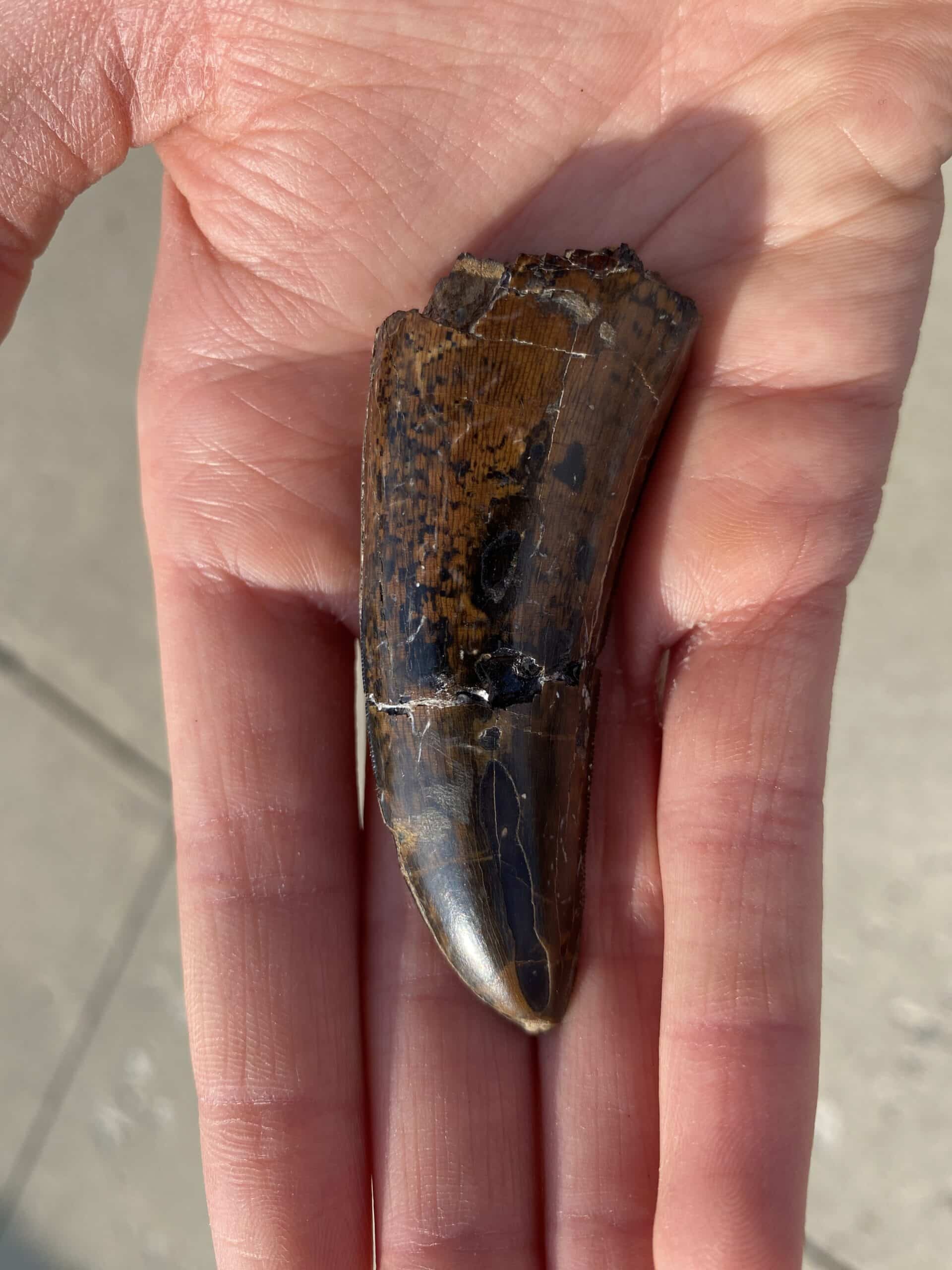

Cover Image: Albertosaurus tooth
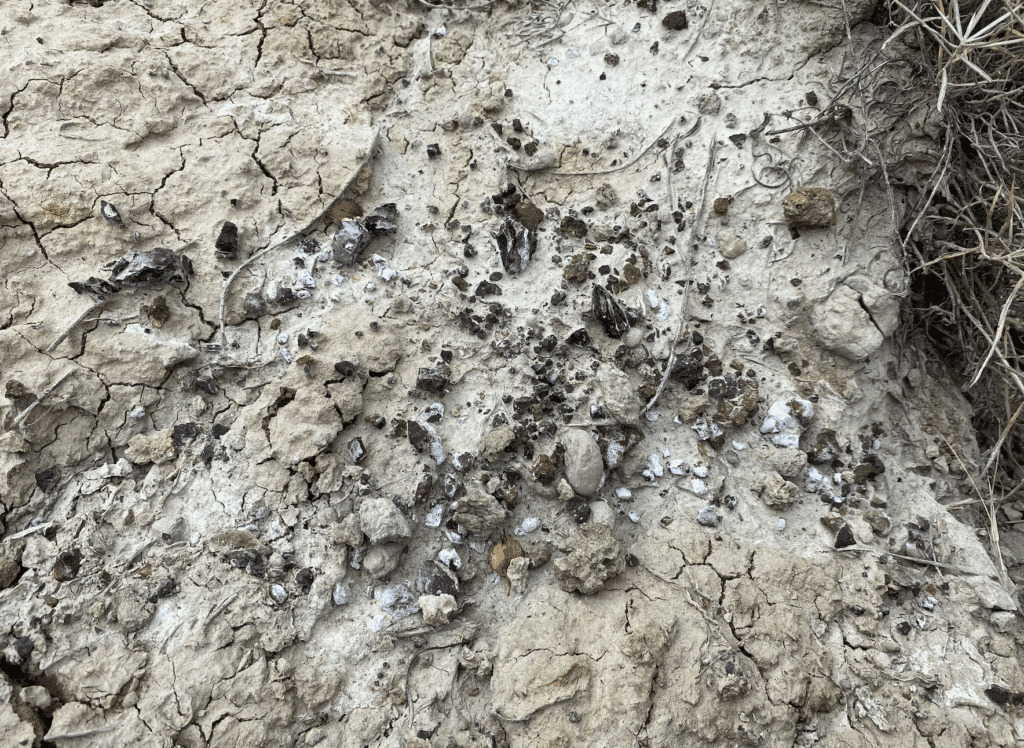
Figure 1: Large theropod tooth in many pieces (Likely Albertosaurus)
What To Look For?
Fossilized teeth are generally shiny and dark in colour, and may be found in one piece or in many smaller pieces (see Figure 1). They are harder to find than most other fossils and depending on which species the teeth come from, your chances of finding them can decrease. In my personal experience, tyrannosaurid teeth are pretty common compared to other types, and are fairly easy to identify. Looking for certain shapes on the tooth, like serrations, can help with the identification of a certain specimen. Sometimes teeth can look like something else at first glance, especially to the untrained eye, so if it looks interesting, take some time to properly examine what you have just found. On my very first fossiling trip, my knowledge of fossils was not as good as it is now. I knew what a fossil looked like, but I didn't know what teeth looked like because I had never seen one up close before. We found a good site with a large bone and there was a brown bone sticking out of the hillside. I thought it might be part of a rib but it was actually part of a fairly large Albertosaurus tooth. So it's a good idea to know what you're actually looking for before going out. Google Images has lots of pictures that people have taken so if you're searching for a certain type of tooth you can look there.
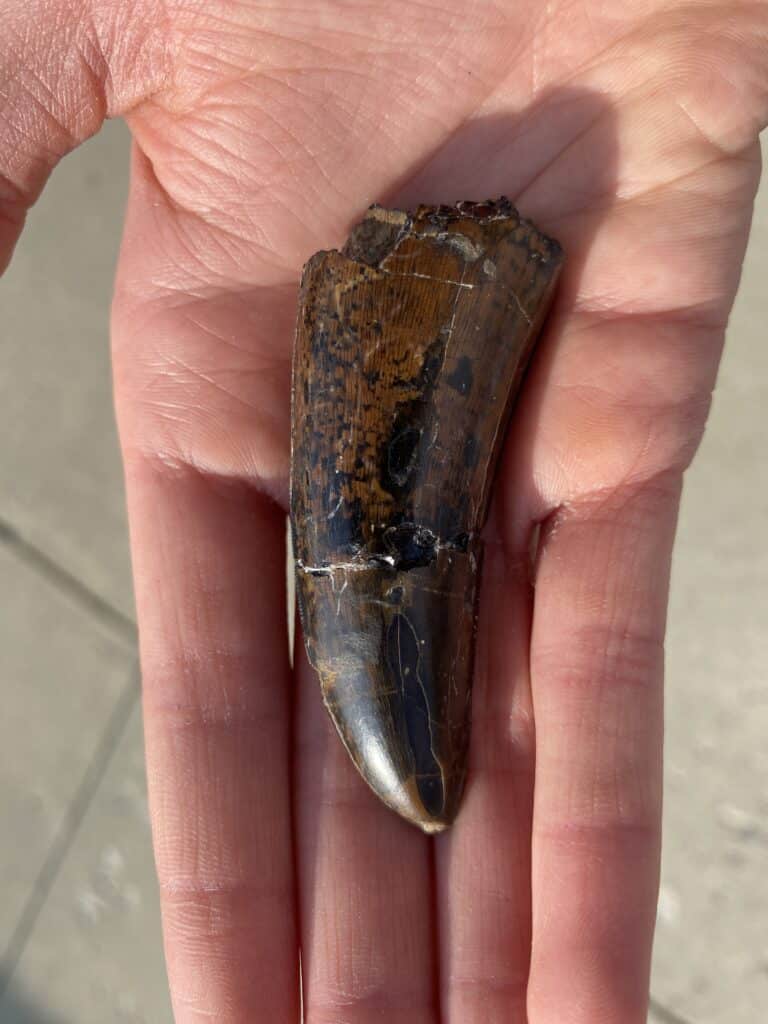
Figure 2: First tooth that I discovered from an Albertosaurus (3-MB-8)
Where Do You Find Teeth?
In my personal experience, teeth are normally found with other bones, especially teeth from carnivorous animals. Teeth found could be either from the animal that died, or whatever was eating the animal that died (see Figure 3). This doesn't mean that every fossil site will have teeth because the head of an animal could have been dragged off somewhere by another hungry animal and didn't fossilize with the rest of the body. Some sites don't even have large bones but that doesn't mean you can't find anything there. I made one of my best finds in a place with not very many bones but with a whole bunch of other teeth from different species.
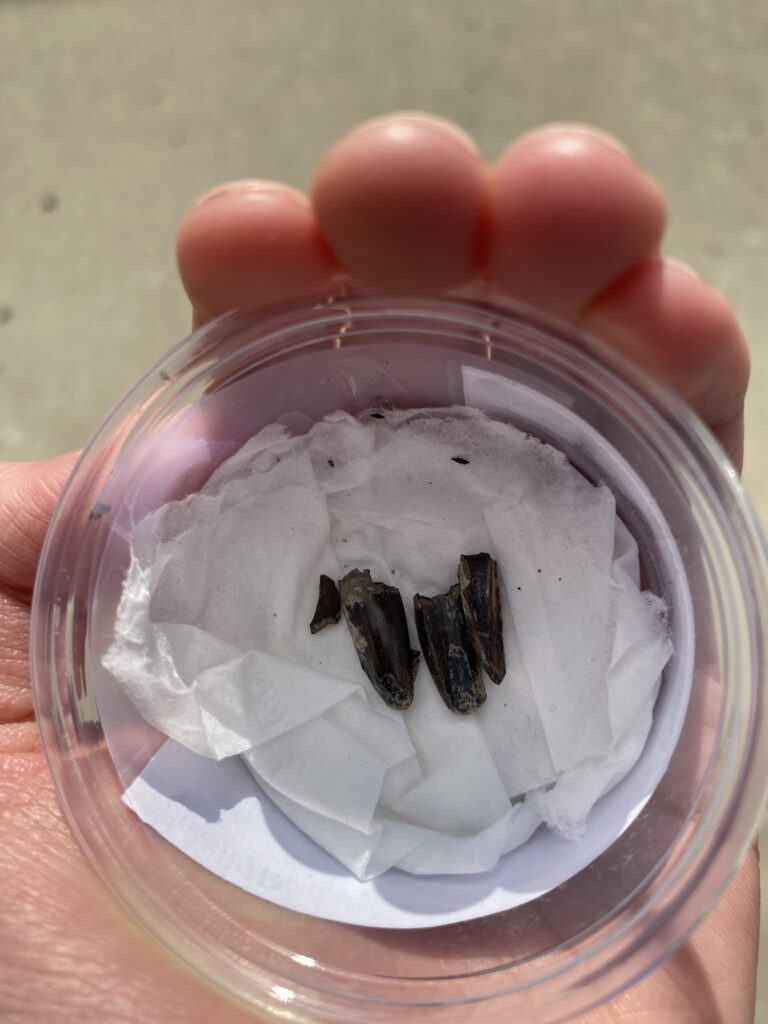
Figure 3: Likely a Crocodilian tooth from the Paleocene, around 60 million years old or so. I found it among a lot of shells. My best guess is that it was trying to eat some of the shellfish and lost its tooth. Something happened that killed the clams and they were buried along with the tooth, which eventually fossilized.
This is really all you need to know about finding teeth. The only skills involved are knowing what a fossilized tooth looks like. So as long as you know that, you'll likely find some teeth eventually!